Drive through Merrow, Burpham or the older streets off the Epsom Road and most north-facing roof slopes carry a green fringe by late autumn. Moss on roof tiles is partly cosmetic and partly a slow drain on the roof and gutters beneath it, and the answer to whether it matters depends on the tile, the pitch and how thick it has got. This explainer covers what moss does, how it is removed without damaging the roof, why Guildford gets so much of it, and what the job typically costs.
What moss does to a roof
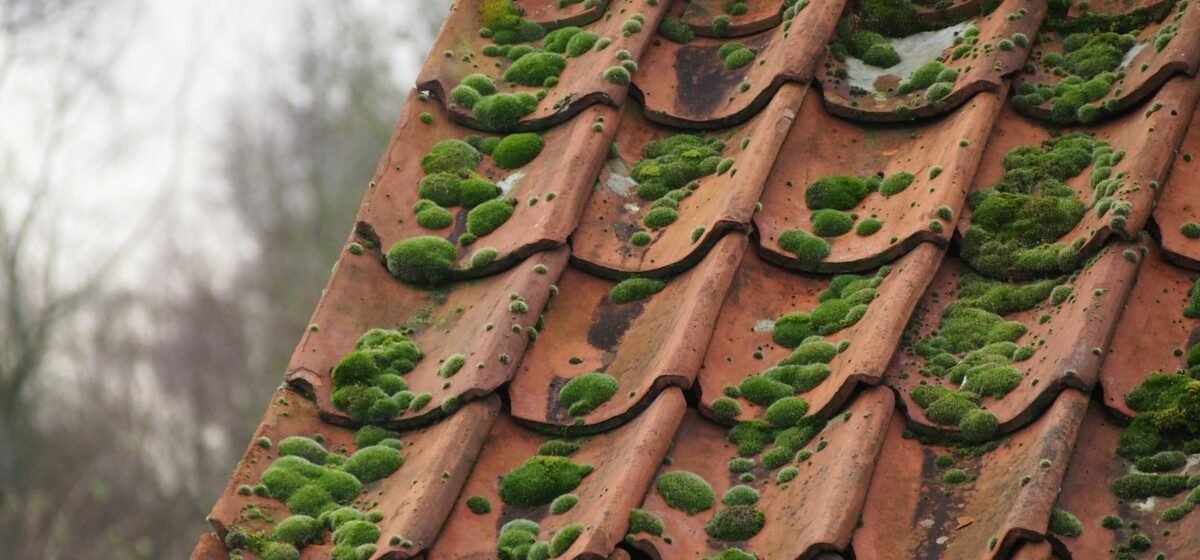
Moss grows where a tile stays damp: the north and east slopes, below overhanging trees, and along the bottom edge of each course where water lingers. On its own it does not rot a tile. The damage comes from what it does to water. A thick cushion of moss on roof tiles holds moisture against the tile through winter, and when that freezes it expands, which lifts the surface of concrete tiles and spalls the face of older clay ones.
The second effect is on drainage. Moss sheds in clumps during heavy rain and after frost, and the clumps end up in the gutter. A gutter full of moss overflows just as surely as one full of leaves, and the fallen clumps block the downpipe outlet where you cannot see them. A roof that has not been cleared in ten years can put a wheelbarrow of moss into the gutters over one winter, which is why roofing and gutter firms often quote the two jobs together.
Does moss on roof tiles actually need removing?
A light dusting of moss on a steep clay roof is harmless and most roofers will tell you to leave it. The cases that matter are different.
- Concrete interlocking tiles with moss in the locking channels, because the channels are what keep water out and moss holds it there.
- Low pitch roofs, under about 30 degrees, where water already moves slowly and moss slows it further.
- Moss along the ridge tiles and hips, where it works into the mortar bedding and loosens it.
- Any roof where the gutters are filling with clumps every winter, because that is a drainage problem waiting to become a damp wall.
- A roof being inspected for a sale or a remortgage, where a surveyor will note heavy moss and the buyer will ask for a price reduction.
If none of those applies, a clear every eight to ten years is enough. If several do, the roof is due now, before the winter freezes.
How moss is removed safely
There are two methods, and the difference matters. Soft washing applies a low pressure biocide to the roof, which kills the moss and lichen over a few weeks so it dies back and washes away in the rain. Pressure washing blasts it off on the day. The results look similar for a fortnight, but a pressure washer at roof strength strips the granular surface off concrete tiles, drives water under the laps, and can crack old clay. Most reputable roofers now scrape the thick growth by hand, brush the tiles, then soft wash.
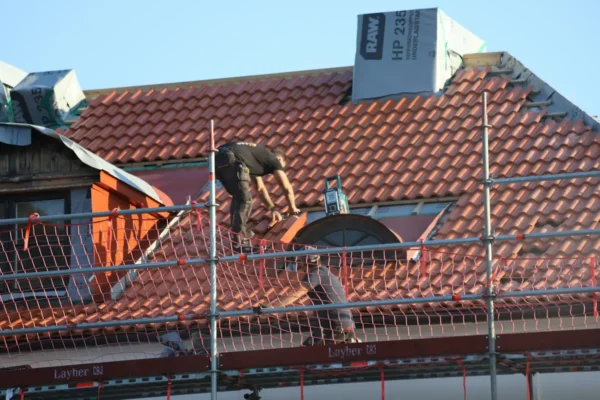
Whichever method is used, the work is at height. The Work at Height Regulations 2005 govern contractors, and the Health and Safety Executive guidance behind them is clear that roof work needs edge protection or a tower, not a ladder on a wet day. The HSE work at height guidance is worth reading before you let anyone on the roof. A homeowner on the tiles with a garden hose is the most common way a moss problem turns into a hospital visit.
What it costs in Guildford
Prices depend on roof size, pitch, how thick the growth is, and whether a tower or scaffold is needed. The figures below are indicative ranges rather than quotes, and Guildford sits at the upper end of the Surrey market.
- Scrape, brush and biocide on a three bedroom semi: typically £500 to £900.
- Detached four bedroom house with hips and dormers: typically £900 to £1,600.
- Gutter cleaning at the same visit: typically £80 to £180 extra.
- Replacing tiles found cracked during the clear: typically £10 to £30 per tile fitted.
- Scaffold or tower hire where needed: typically £400 to £1,000 on top.
Be wary of a price far below these ranges from someone offering to pressure wash from a ladder. Our guide to choosing roofers in Guildford covers the questions to ask about insurance and access.
Why Guildford roofs grow so much moss
Three local factors combine. The town sits in the lee of the North Downs and the Hog’s Back, so many estates on the Merrow and Burpham side have long north-facing slopes that see no winter sun. The tree cover is heavy, with mature oaks and limes on the Victorian streets around the Mount and the Stoke Park side, and anything under a canopy stays damp. And a large share of the housing stock, from the 1930s semis on the Aldershot Road to the 1960s and 1970s estates at Park Barn and Bellfields, has concrete tiles, which are more porous than clay and give moss a rougher surface to hold.
The older clay roofs in the town centre and the villages fare better but shed moss into gutters that are often cast iron and already half full. Guildford Borough Council runs a garden waste collection that will take the scraped moss, but check the bin rules before bagging a roof’s worth. Our Guildford hub has the other local guides.
When to call a professional
Clearing moss on roof slopes is not a ladder job. Call a roofer when the growth is thick enough to hold water, when the gutters fill with clumps every winter, when the ridge mortar is loosening, or when you want tiles checked at the same time. Ask for a tower or scaffold, hand scraping rather than high pressure, and a biocide rather than a one-day blast.
If you have moss on roof slopes that you cannot see properly from the ground, or you want a quote for a clear and a gutter clean together, our free help desk can find a roofer with the right access equipment and insurance. Send the details through our request help page. The team reviews every enquiry and confirms availability and credentials before anything is agreed, so nothing is booked until they come back to you.
Questions people ask
Is moss on a roof a problem?
A light covering on a steep clay roof is harmless. It becomes a problem when it is thick enough to hold water against the tiles through frost, when it sits in the locking channels of concrete interlocking tiles, when it loosens ridge mortar, or when it sheds into the gutters in clumps every winter and blocks them. Low pitch roofs and north-facing slopes suffer most.
Should a roof be pressure washed to remove moss?
Generally no. A pressure washer at roof strength strips the surface off concrete tiles, forces water under the laps and can crack old clay. The better method is to scrape and brush the thick growth by hand, then apply a low pressure biocide, often called soft washing, which kills the remaining moss and lichen so it dies back over the following weeks.
How much does roof moss removal cost?
Indicative ranges in Guildford are £500 to £900 for a three bedroom semi and £900 to £1,600 for a larger detached house, for scraping, brushing and biocide. Scaffold or tower hire can add £400 to £1,000 where needed, and cracked tiles found during the clear cost typically £10 to £30 each to replace. Prices in Surrey run above the national average.
How often does a roof need moss removing?
Once every eight to ten years is enough for most roofs that get some sun. Heavily shaded north-facing slopes under trees may need attention every four to five years. Having the gutters cleared each autumn gives you a yearly check on how much moss is coming off, which is the best guide to when the roof itself is due.
Ready to take the next step?
Tell the household desk what has happened, where you are and when you need help. We will review it and explain your options.
Describe your job →Guidance is general and refers to the authority that sets each rule. Costs are indicative ranges; always get written quotes. Trade availability and credentials are confirmed when you enquire.