The builders have gone, the new kitchen is in, and every surface in the house, including the ones three rooms away with the door shut, carries a film of fine grey dust. A regular cleaner is not equipped for this, which is why after builders cleaning in London is quoted at two or three times the hourly rate of a standard visit. This guide explains what the job covers, why plaster and silica dust behave the way they do, what equipment is needed, when to book relative to the trades leaving, and the typical price in the capital.
Why builders’ dust is not ordinary dust
Household dust is mostly fibres and skin and sits where it lands. Construction dust is different. Plaster, cement, plasterboard, brick and tile cutting produce particles fine enough to stay airborne for hours and to pass straight through a domestic vacuum’s bag or filter and out the back, which is why vacuuming with the wrong machine makes a room look dustier than before. The Health and Safety Executive classes respirable crystalline silica from cutting masonry and tiles as a serious hazard for trades, and while the dose a householder gets is far smaller, it is a reason to keep children and anyone with asthma out of the rooms until they are properly cleaned.
The dust also keeps arriving. It settles out of the air for two to three days after the last cut is made, works its way out of carpets and soft furnishings each time someone walks past, and falls from the tops of door frames and light fittings when the heating comes on.
What after builders cleaning in London actually covers
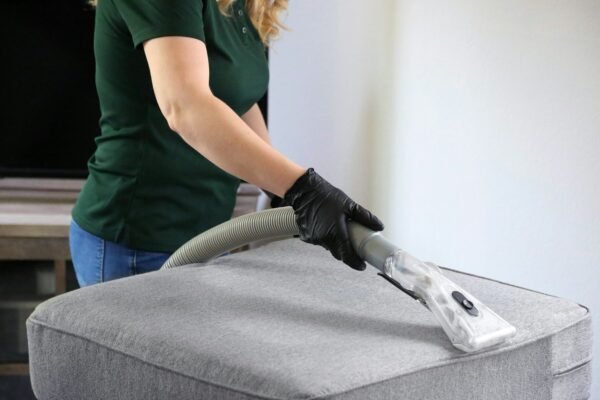
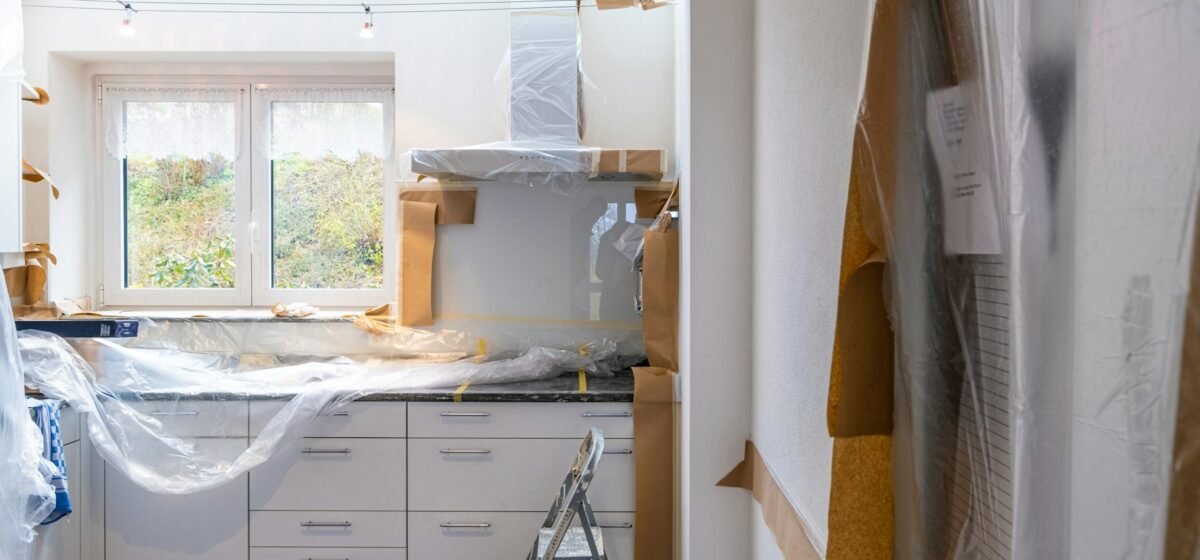
A proper job runs in passes. The first pass removes the bulk: debris, offcuts, packaging, protective film and the tape and plastic sheeting that was meant to stop the dust spreading. The second pass is a dry clean of every surface from the ceiling down, using HEPA-filtered vacuums that trap fine particles rather than recirculating them, and microfibre cloths that hold dust instead of pushing it around. The third pass is a wet clean, which is only worth doing once the dry dust is gone, otherwise it turns to paste.
Inside that framework the list is long. Window frames, glass and tracks; the tops of doors, skirting and architraves; light fittings and switch plates; inside cupboards and drawers that were fitted open; radiators front and back; the washing of walls where plaster dust has stuck to new paint; removal of paint splashes, silicone smears and manufacturer’s labels from new sanitaryware and appliances; and a full carpet vacuum, often followed by hot water extraction if the carpet was not protected. Expect the team to come back for a short second visit a few days later, because more dust will have settled.
When to book: timing after the trades leave
The mistake is to book the clean for the afternoon the builder packs up. Wait until snagging is done and the last trade has been, including the decorator, because any cutting, sanding or drilling after the clean undoes it. Allow at least 24 to 48 hours after the final work for airborne dust to settle, longer if the heating has been off. Then book the main clean, with a light second visit three to five days later if the budget allows.
If you are moving back in or letting the property, build the clean into the programme rather than squeezing it into the gap before the removal van. A two-bedroom flat takes a team of two a full day; a three-storey house after a loft conversion can take two days.
What is different about London jobs
The housing stock means after builders cleaning London jobs are rarely simple. Victorian and Edwardian terraces in Walthamstow, Streatham and Ealing get side-return kitchen extensions and loft conversions that push dust down through three floors of original floorboards, and the gaps between those boards hold dust for months. Basement excavations in Islington, Kensington and Fulham produce the heaviest residue of all. Flats in purpose-built blocks bring managing agent rules on working hours, lift protection and where the cleaning team can park, and a parking permit or a visitor bay often has to be arranged by the owner.
Prices are higher too. Typical London ranges are £22 to £35 per cleaner per hour, or as a fixed price roughly £350 to £600 for a two-bedroom flat and £600 to £1,200 for a three- or four-bedroom house, with a second visit at £120 to £250. These are indicative, not quotes, and depend heavily on whether carpets were protected and whether the trades cleaned as they went. Outside London the same work costs around a quarter less. For comparison with routine rates, see our guide to how much a cleaner costs in London.
Questions to ask before you book
- Do you use HEPA-filtered vacuums, and do you bring your own equipment and products?
- Is a second visit included, and if not, what does it cost?
- Are windows, inside cupboards, paint splashes and label removal included, or extras?
- Do you carry public liability insurance, and can I see the certificate?
- How do you handle new surfaces that scratch, such as stone worktops, lacquered doors and matt paint?
A quote that is far below the others usually means a standard domestic clean with the words changed.
When to call a professional
If the work was a single room with the door kept shut and the carpet covered, a thorough DIY clean with a vacuum fitted with a HEPA filter and plenty of microfibre cloths can be enough. For anything involving plastering, tile cutting, sanding or a new kitchen or bathroom, the equipment and the hours make after builders cleaning firms in London offer the better value, particularly if a tenant or buyer is about to walk through the door.
The Household Daily runs a free help desk that reviews your enquiry, checks availability and confirms credentials before anything is agreed. Nothing is booked until the team confirms. Browse the cleaning service hub and the London area pages, or request help here. The desk is not an emergency service: for a gas smell, leave the building and call 0800 111 999, for a power cut call 105, and for fire or danger to life call 999. The HSE’s guidance on construction dust is at hse.gov.uk.
Questions people ask
How soon after the builders leave should I book the clean?
Wait until snagging and the last trade, including the decorator, are finished, then allow 24 to 48 hours for airborne dust to settle before the main clean. Any cutting, sanding or drilling after the clean undoes the work. A short second visit three to five days later picks up the dust that keeps settling out of carpets and from high surfaces.
Why does after builders cleaning cost more than a normal clean?
Construction dust is fine enough to pass through a domestic vacuum, so firms use HEPA-filtered machines and microfibre systems, work in several passes from the ceiling down and spend far longer per room. Paint splashes, silicone, labels and dust inside cupboards add time. In London typical rates are £22 to £35 per cleaner per hour, roughly double a routine visit.
How much does after builders cleaning cost in London?
Typical London ranges are around £350 to £600 for a two-bedroom flat and £600 to £1,200 for a three- or four-bedroom house, with an optional second visit at £120 to £250. These are indicative figures rather than quotes, and the price depends on whether carpets were protected and how much the trades cleaned as they went. Outside London expect roughly a quarter less.
Can I do an after builders clean myself?
For a single room where the door was kept shut and the floor covered, yes, with a HEPA-filtered vacuum, microfibre cloths and a dry pass before any wet cleaning. For anything involving plastering, tile cutting or a new kitchen or bathroom, the volume of fine dust across the house usually makes a professional team with the right equipment the better option.
Ready to take the next step?
Tell the household desk what has happened, where you are and when you need help. We will review it and explain your options.
Describe your job →Guidance is general and refers to the authority that sets each rule. Costs are indicative ranges; always get written quotes. Trade availability and credentials are confirmed when you enquire.